
Landlord Harassment in Ontario?
You have the right to peace in your home
If your landlord is entering without notice, making threats, invading your privacy, or intimidating you, Ontario law protects tenants from harassment and interference with their reasonable enjoyment.
Our Ontario licensed paralegals help tenants document harassment, understand their rights, and take decisive legal action — including filing applications with the Landlord and Tenant Board (LTB) to make the behavior stop.
✔ Licensed by the Law Society of Ontario
✔ Flat-Fee Pricing — No Hidden Costs
✔ Serving Tenants Across Ontario
★★★★★ Verified Google Review
“Working with Damian felt like finally having someone in my corner who actually cared and knew how to make the system work.” — Abdul H., Former Client


Harassment and Privacy Violations by Landlords Are Against the Law in Ontario
Know your rights. Document the abuse. Get LTB support that holds landlords accountable.
Under Ontario’s Residential Tenancies Act (RTA), your landlord (or their agents) must respect your privacy and cannot harass, threaten, coerce, or infringe upon your legal rights.
When a landlord crosses the line, tenants can feel powerless—but Ontario law provides real protections and enforceable remedies. If you’ve experienced illegal entry, threats, intimidation, disclosure of private information, or loss of vital services, acting early gives you the advantage of stronger evidence and better recovery options.
You don’t have to tolerate unlawful behavior.
You just need the right legal strategy—and your first step to get it is free.
Start My Free Consultation or Talk to a Paralegal Now
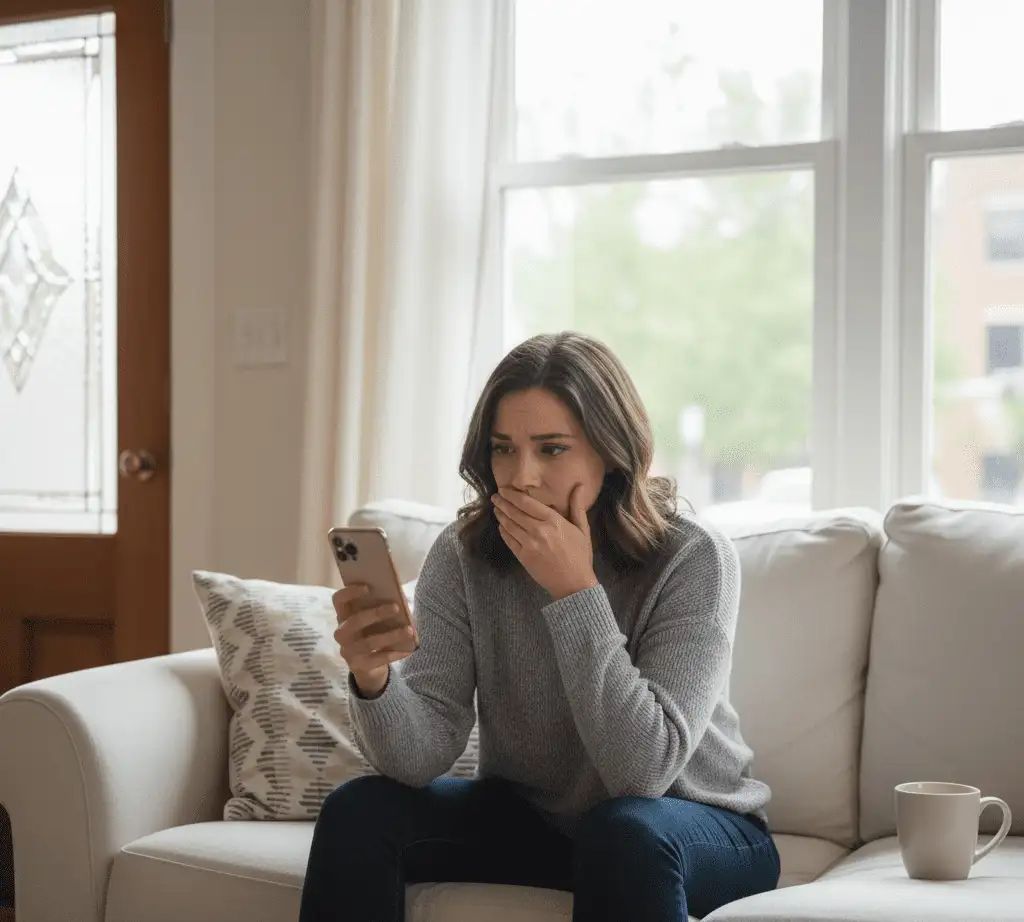
What You Might Be Experiencing
- Landlord entering at odd hours without warning
- Receiving emails or texts from them demanding access without reason
- Landlord showing your rental unit to others without you knowing
- Instances where your mail is opened by the landlord or personal info shared publicly
- Constant phone calls, threats, or intimidation meant to pressure you
Sound Familiar? You May Have Legal Options.
Get clear, Ontario-specific guidance from licensed paralegals who know exactly how to build and present tenant cases at the LTB.

How We Help You Protect and Reclaim Your Tenant Rights
Here’s what our harassment and privacy violation service does for you:
Free Case Review
We assess your situation, lease, communications, notices, and evidence. You’ll get a clear answer on whether you have a claim — and what steps will give you the strongest outcome.
Evidence and Documentation Support
We guide you on preserving proof the LTB accepts: timestamps, photos, recordings, written requests, witnesses, and incident logs —organized for maximum credibility.
Filing the Correct LTB Application
If your privacy or reasonable enjoyment has been violated, we help you prepare and file the right remedy (such as a T2 Application) or any other relevant tenant protection pathway.
Strategic Path Selection
We determine the most effective legal route based on your damages and goals — LTB remedies or other lawful tenant recovery options.
Licensed Hearing Representation
Our Ontario licensed paralegals prepare your case and represent you at hearings — pursuing enforceable outcomes like rent abatement, compensation, and compliance orders.
Follow-Through and Enforcement Support
We help ensure Board-supported remedies move from paper to action, keeping your case progressing smoothly and lawfully.
You document the abuse. We handle the process.
Start your free case review today and move forward with clarity, compliance, and confidence.
Tenant Remedies & Outcomes
A quick overview of common orders and compensation you may seek through the Board.
| Remedy / Order | Description |
|---|---|
| Rent Abatement / Reduction | If you were harassed or lived under privacy violations, you may be entitled to a partial rent refund or reduction. |
| Compensation for Damages | If your personal property was exposed, mail opened, or private information mishandled — you might recover financial losses. |
| Orders to Stop Conduct | The landlord may be ordered to stop entering without notice, cease harassment, or take steps to preserve your privacy. |
| Mental Distress Damages | In some cases, the Board may award damages for emotional harm caused by harassment. |
Know What You May Be Able to Recover Or Enforce —
Before Delays Reduce What You Can Get Back

What Tenants Often Don’t Know (and How They Get Hurt)
- Even if the harassment is occasional, the cumulative effect matters for your case
- Verbal harassment still counts: insults, threats, frequent knockings — all can be part of the claim
- Proper notice of entry is required — vague or “broad windows” are not sufficient
- You can’t waive your rights by signing away notice requirements — many lease clauses that waive your privacy rights are invalid
- Delay in acting weakens evidence — document now, do not wait
Delays Can Shrink What You Recover.
Take Action Now.
Get your free, evidence-focused case review today.

Common Scenarios (When To Contact Us Immediately)
- Landlord knocks/re‑enters often, at odd hours, without telling you first
- You found out your landlord secretly installed cameras or surveillance in living spaces without your consent
- Personal information (financial, medical, mail) shared with others without your permission
- Landlord tries to evict or threaten eviction because you complained or asserted your rights
- You suspect discrimination or harassment tied to race, disability, family status or other protected ground.
If These Issues Feel Familiar, Don’t Wait
Get Ontario tenant guidance that moves your case forward.


Why Trust Cordaie Paralegal Services
- Licensed Ontario paralegals experienced in harassment, privacy, and tenant rights cases.
- Proven track record representing tenants at LTB for harassment & privacy claims.
- Countless clients helped stop unwanted entries, secure rent abatement, and receive compensation.
- Full transparency: we explain what you can expect every step of the way. No false promises, just results.
Join Ontario Tenants Moving Forward With Evidence, Strategy, and Licensed LTB support.
Tenant FAQ: Privacy Rights and Protection From Harassment
Understanding Your Rights Under Ontario’s Residential Tenancies Act
Harassment and privacy violations can leave tenants feeling unsafe, overwhelmed, or uncertain about what steps to take. You’re not alone—many renters don’t know what counts as unlawful conduct or how the LTB evaluates these claims.
The information below provides general guidance to help you spot violations early and understand your options. Because every tenancy matter is different, the most effective path forward depends on your evidence, timing, and specific circumstances.
Still Have Questions or Need Support?
If you’re facing unlawful entry, harassment, or privacy violations, you don’t have to navigate the law — or the LTB — on your own.
Get clarity on your rights, confirm what you may be eligible to request, and start the process the correct way—with a free, confidential consultation.
1. What is considered landlord harassment in Ontario?
Landlord harassment includes any behaviour intended to pressure, intimidate, or interfere with a tenant’s right to enjoy their home peacefully.
Examples include repeated unannounced visits, threats, shutting off utilities, or trying to force a tenant to move out.
2. How much notice must a landlord give before entering my unit?
In most situations, your landlord must give at least 24 hours’ written notice before entering your unit, stating the reason for entry and the time (between 8 a.m. and 8 p.m.).
Exceptions apply only in emergencies or if you agree to let them in sooner.
3. Can my landlord come into my home without my permission?
Only in certain situations — such as emergencies (fire, flood, safety risk) or if the tenant has abandoned the unit.
Otherwise, entering without notice or consent is a violation of your privacy rights under the RTA.
4. What can I do if my landlord is harassing me?
Keep detailed notes of every incident, including dates, times, and what happened. Save any texts, emails, or letters.
You may be able to file an application (such as a T2) with the LTB for harassment or interference with your reasonable enjoyment of the property.
5. What if my landlord keeps showing up or contacting me excessively?
Frequent or unnecessary contact can be considered harassment.
You can request that all communication be done in writing and report the behaviour to the LTB if it continues.
6. Can my landlord install cameras or surveillance devices?
Landlords cannot install cameras inside your rental unit or in a way that invades your privacy.
Cameras in common areas may be allowed only for legitimate security purposes, not to monitor or intimidate tenants.
7. What if my landlord tells other people about my personal information?
Your landlord must respect your privacy.
Sharing your personal information — such as financial details, contact info, or reasons for rent arrears — without consent may be a breach of privacy laws and could form part of an LTB application.
8. Your landlord must respect your privacy. Sharing your personal information — such as financial details, contact info, or reasons for rent arrears — without consent may be a breach of privacy laws and could form part of an LTB application.
If the LTB finds that your rights were violated, they can order your landlord to stop the behaviour, compensate you financially, or reduce your rent for the affected period.
The amount depends on the evidence and severity of the conduct.
9. Do I need a lawyer or paralegal to file a claim with the LTB?
You’re not required to, but working with a licensed paralegal can help ensure your application is properly completed, evidence is well-documented, and your rights are clearly represented during the hearing.
10. How can I get help or advice about harassment or privacy issues?
If you’re unsure whether what you’re experiencing qualifies as harassment or a privacy violation, contact us for guidance.
We can help you understand your rights and the steps available to protect yourself under Ontario law.

“From the very beginning, Damian approached my situation with empathy, patience, and genuine care. He took the time to truly understand what I was going through and made me feel like someone was finally in my corner. His knowledge and clarity helped navigate a difficult legal situation with confidence.”
Abdul H., Former Client
Verified Google Review
Serving All Ontario Landlords
We provide remote legal services across the entire province — and in-person representation where needed.
- Toronto & GTA, Ottawa, Hamilton, London, Kitchener-Waterloo, Durham Region, Windsor, Barrie & Simcoe County, Northern Ontario.
Wherever your rental unit is, we’ve got your back.

Get a Free, Evidence-Focused Review for Your Rent or Repair Dispute
Start with a free consultation —
no confusion, no delays, no guesswork
Rent and repair disputes at the LTB are won on evidence, timing, and the right remedies. We help tenants understand exactly where they stand and move forward the correct way from the start.
We’ll:
- Review your evidence and confirm if your landlord has violated Ontario law
- Explain the remedies you may be eligible to pursue, including rent abatement, compensation, or compliance orders
- Guide your LTB filing strategy with step-by-step support and experienced advocacy where scheduling allows
Your home. Your privacy. Your rights. Take action that leads to enforceable results—not delays.
Get clarity today — your first step is free, confidential, and pressure-free.