
Charged With Speeding in Ontario? We Can Help Protect Your Record
We challange fines, save your driving record and avoid insurance hikes
A speeding ticket in Ontario is more than just a fine. Depending on the speed alleged, it can result in demerit points, increased insurance premiums, or serious consequences such as licence suspension. Many drivers don’t realize that even a minor speeding charge can affect their driving record and insurance for years.
Our firm focuses on defending speeding ticket charges under Ontario’s Highway Traffic Act. We represent drivers charged with all speeding offences, from low-range speeding to excessive speed and stunt-related allegations. With experience in POA courts across Ontario, we understand how these cases are prosecuted and how to challenge them effectively.
When you hire us, you don’t need to attend court or deal with the stress of the legal process. We handle disclosure requests, negotiations with the prosecutor, and court appearances on your behalf. Our goal is always to pursue the best possible outcome — whether that means a withdrawal, a reduced charge, fewer or no demerit points, or avoiding a conviction entirely.
Every case is different, which is why we begin with a
free, confidential consultation. We’ll review your ticket, explain the potential consequences, and outline your options so you can make an informed decision. Our
flat-rate fees are transparent, and there is no obligation to proceed after your consultation.
✔ Licensed by the Law Society of Ontario
✔ Flat-Fee Pricing — No Hidden Costs
✔ Defending Drivers Across Ontario
★★★★★ Verified Google Review
“Damian was able to get my traffic ticket dismissed when others said it wouldn’t be possible. He handled everything smoothly, kept every promise, and truly cared about the outcome. I recommend him to anyone needing legal help.” — Matt K., Former Client
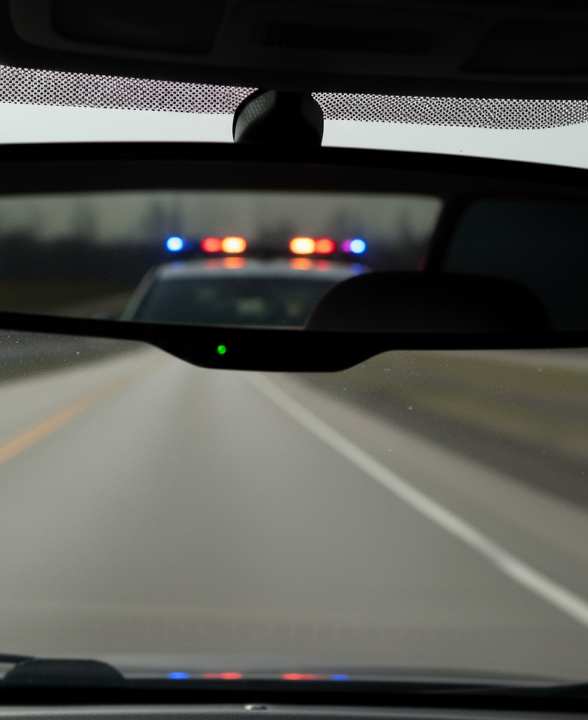
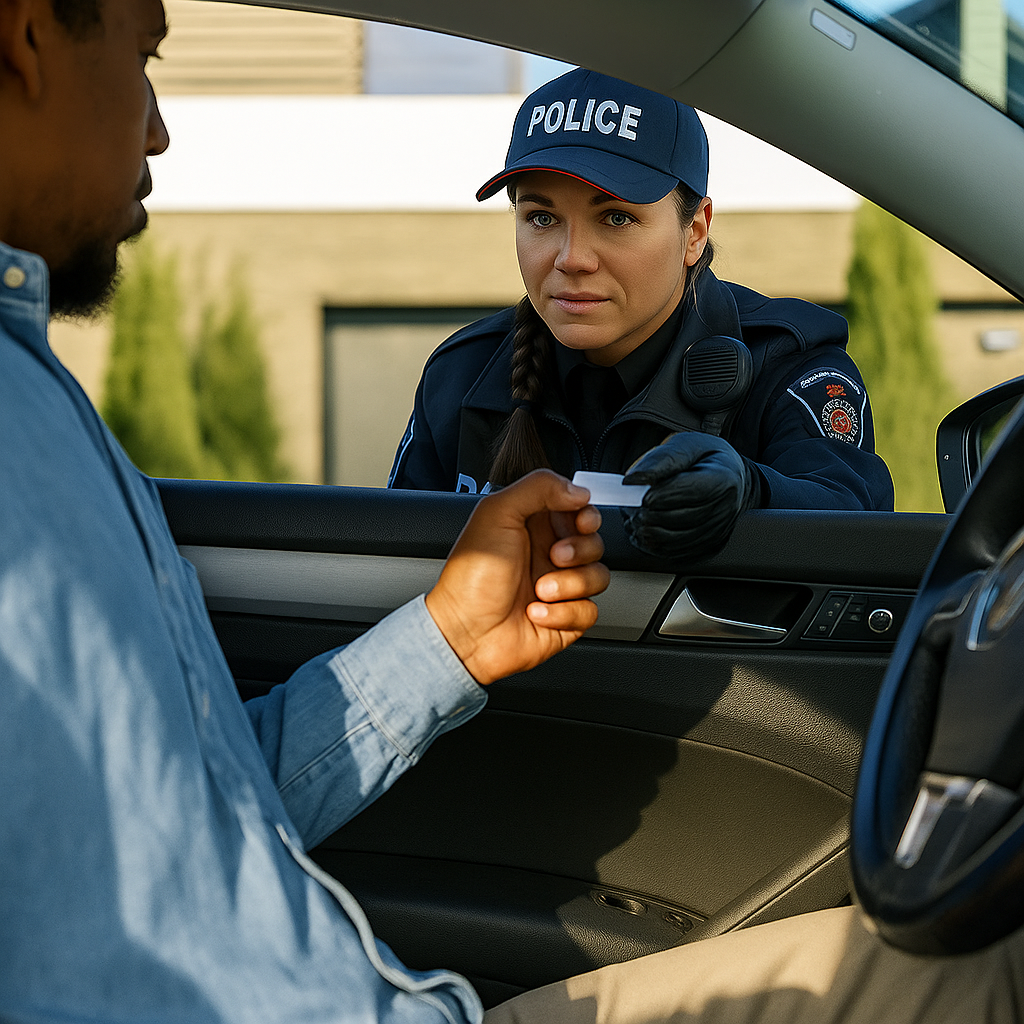
Why Speeding Tickets Are Worth Challenging in Ontario
A speeding ticket may seem minor, but a conviction can carry hidden consequences, including demerit points, increased insurance premiums, licence suspensions, and a permanent driving record impact. What looks like a simple fine today can cost far more over time.
Challenging a speeding ticket allows you to review the evidence, identify procedural issues, and explore resolution options that may reduce or avoid long-term consequences. With the right defence strategy, many drivers choose to fight — not out of stubbornness, but to protect their record and future driving privileges.

How We Defend Your Speeding Ticket
Every speeding charge is different, which is why an effective defence starts with a careful review of the facts and the prosecution’s case — not assumptions. After your free consultation, we request and analyze disclosure, including officer notes, radar or laser evidence, and procedural details, to identify weaknesses, inconsistencies, or legal issues that may affect the charge.
From there, we develop a strategic defence approach tailored to your situation. This may include negotiating for reduced charges where appropriate, challenging the accuracy or use of speed-measuring devices, addressing procedural or Charter issues, or preparing for trial when necessary. We handle court filings, deadlines, and appearances so you don’t have to navigate the process alone.
Our goal is to protect your driving record and minimize the long-term impact of a conviction—while keeping the process clear, organized, and as stress-free as possible.
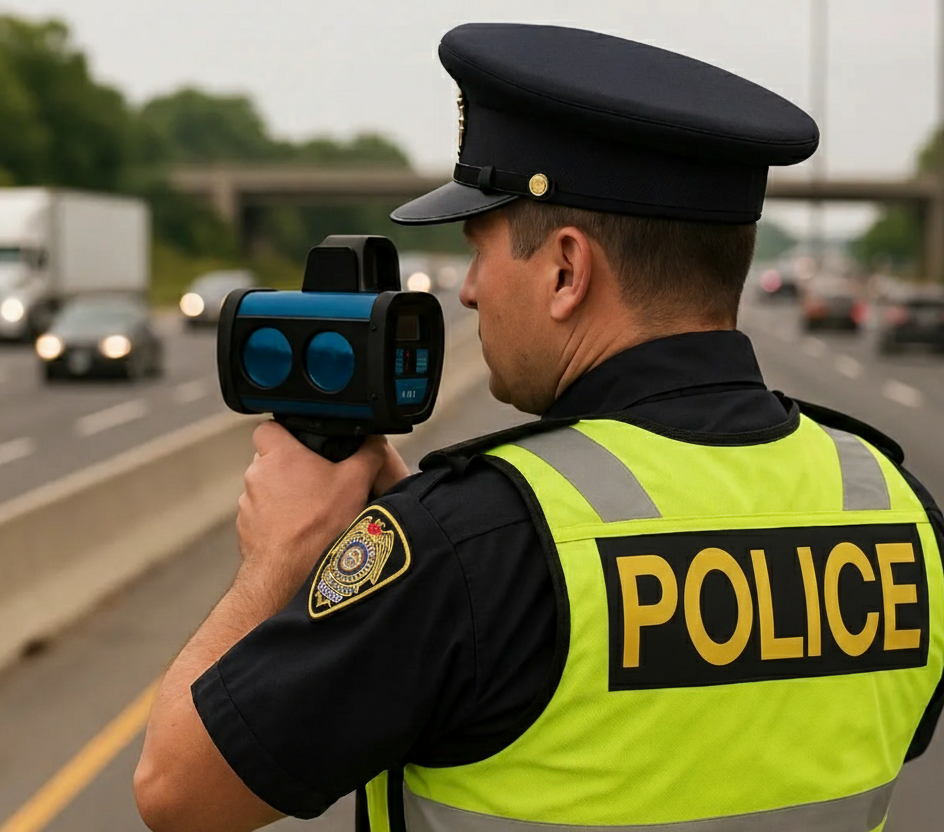
Ontario Speeding Penalties (HTA s. 128)
Speeding offences in Ontario are governed by section 128 of the Highway Traffic Act. The penalties you face depend on how far over the speed limit you were travelling, and they can extend well beyond the fine printed on the ticket.
A conviction may result in:
- Fines that increase with the speed alleged
- Victim fine surcharges and court costs
- Demerit points (2 to 6 points, depending on speed)
- Insurance premium increases that can last for years
- Licence suspensions in more serious cases or for novice drivers
⚠️Important: For higher speeds — particularly 40 km/h or more over the limit — the consequences can escalate quickly and may include court appearances, significant insurance impacts, or additional charges. Even lower-range speeding convictions can affect your driving record and long-term costs.
Because the financial and licensing consequences often outweigh the ticket amount itself, understanding your options early can make a meaningful difference.
What You Need to Get Started With Your Provincial Offences Matter
Getting started doesn’t need to be complicated. To assess your Provincial Offences Act charge properly and move forward without missing deadlines, we’ll need a few key details upfront.
Typically, this includes:
- A copy of your ticket or summons (front and back), including the offence date and court location
- Your full legal name and contact information as it appears on the charge
- Your driver’s licence information, if the matter involves a driving offence
- Any prior court notices or correspondence you’ve received
- A brief explanation of what happened, in your own words
That’s it to begin. From there, we take care of the rest—confirming deadlines, requesting disclosure, reviewing the evidence, and explaining your options clearly. Your initial consultation is free, confidential, and focused on helping you understand your next steps without pressure or legal jargon.
HOW IT WORKS
Ontario Provincial Offences Process — Speeding Ticket Defence (Step By Step)
Step 1 — Free Consultation and Ticket Review
We start with a free, confidential consultation to review your speeding ticket, driving record, and concerns.
We explain the charge, potential penalties (including demerit points and insurance impact), and confirm important deadlines so you don’t accidentally plead guilty or miss your chance to fight the ticket.
You’ll leave this step knowing whether challenging the ticket makes sense and what the process will look like.
Disclosure Request and Evidence Review
Once you decide to proceed, we request full disclosure from the prosecution, including officer notes, radar or laser records, calibration information, and any supporting evidence.
We carefully review this material to identify weaknesses, inconsistencies, or procedural issues that may affect the charge.
This step is often where strong defence opportunities are identified.
Strategic Defence and Resolution Planning
Based on the evidence, we develop a defence strategy tailored to your situation. This may include negotiating for a reduced speed or charge, addressing procedural or evidentiary issues, or preparing for trial where appropriate.
We handle all filings, communications, and court scheduling while keeping you informed at each stage.
Our focus is always on protecting your driving record and minimizing long-term consequences.
Court Representation and Outcome
If your matter proceeds to court, we represent you as Law Society of Ontario (LSO) licensed paralegals authorized to appear on Provincial Offences Act matters.
We advocate on your behalf, challenge the prosecution’s case where appropriate, and guide you through to resolution.
Once the matter concludes, we explain the outcome clearly and advise on any next steps, so nothing is left uncertain.

“I've contacted several paralegals and they are the fastest and most informative. Damian has already given me clues in his initial counseling session. I will definitely retain him if the issue is not resolved.”
Kelly Y., Former Client
Verified Google Review


Why Ontario Drivers Choose Cordaie Paralegal Services
Drivers across Ontario choose Cordaie because they want experienced, licensed defence support without confusion, pressure, or inflated legal fees. Our team of Law Society of Ontario-licensed paralegals focuses exclusively on Provincial Offences Act matters, including speeding tickets and Highway Traffic Act charges. That means you get practical, court-ready advocacy from professionals who know the process, the rules, and how these charges actually play out.
We don’t treat speeding tickets as “minor.” We understand how demerit points, insurance increases, and licence consequences can affect your life long after the fine is paid. From careful disclosure review to strategic resolution or trial preparation, we handle the details so you don’t have to navigate deadlines, court filings, or negotiations alone. With flat-fee pricing quoted in advance, clear communication, and Ontario-wide service, drivers choose us for clarity, preparation, and defence they can trust.
FAQs About Speeding Tickets in Ontario
Speeding tickets in Ontario can raise a lot of questions—about demerit points, fines, insurance increases, court options, and whether it’s worth fighting the charge. This FAQ section provides clear, straightforward answers to the most common questions drivers ask after receiving a speeding ticket under the Highway Traffic Act.
Whether you’ve just been ticketed or already have a court date, understanding your rights, deadlines, and defence options early can make a meaningful difference. If your specific situation isn’t fully addressed here, a free consultation can help clarify your options and explain the best next step for your case.
1. How many demerit points do I get for speeding in Ontario?
In Ontario, demerit points for speeding depend on how far over the speed limit you were driving. The points are set under the Highway Traffic Act and apply once you’re convicted (not just charged).
The examples below are for general reference only and may change, as penalties are subject to updates after the time of writing.
Ontario speeding demerit points:
- 1 – 15 km/h over → 0 points
- 16 – 29 km/h over → 3 demerit points
- 30 – 49 km/h over → 4 demerit points
- 50 km/h or more over → 6 demerit points (This level often involves a court appearance and may also lead to stunt driving–related consequences, depending on the charge.)
⚠️Important:
- Demerit points stay on your driving record for 2 years from the offence date.
- Points can lead to warnings, interviews, or licence suspension, especially for novice drivers.
- Insurance companies don’t look only at points — they also consider the conviction itself, which is why even a 0-point speeding conviction can still raise premiums.
- If a speeding charge is reduced or withdrawn, the demerit points linked to the original speed may not apply.
2. Will a speeding ticket affect my insurance?
Yes. Even a minor speeding conviction can cause your insurance premiums to increase — sometimes by hundreds of dollars annually.
Multiple convictions can label you a high-risk driver. Challenging your ticket may help you avoid a conviction and protect your driving record.
3. Can I fight a speeding ticket without going to court?
In many cases, yes. Our paralegal team can represent you without you ever setting foot in court.
We handle disclosure requests, pre-trial meetings, and negotiations on your behalf.
In some cases, we can get tickets reduced or dismissed entirely without trial.
4. What happens if I ignore a speeding ticket?
Ignoring a speeding ticket can lead to:
- Automatic conviction
- License suspension
- Additional fines and fees
- Impact on your credit or collections
⚠️Important: The court will treat a non-response as a plea of guilt. It’s always better to fight the ticket or seek representation — even if you’re unsure what to do.
5. What if I was caught speeding but didn’t see a sign?
Speed limit signs are required, but not seeing one is not always a legal defense.
However, we may still challenge:
- Whether the speed limit was clearly posted
- Officer evidence and radar/lidar use
- Proper service and filing of the ticket
Let us review your case to determine the best strategy.
6. How much is a speeding ticket in Ontario?
Fines are based on how much over the speed limit you were driving. The examples below are for general reference only and may change, as penalties are subject to updates after the time of writing.
Examples:
If you’re caught 10 km/h over the limit, the base fine is roughly 10 × $2.50 = $25 (plus court fees and a mandatory victim surcharge).
If you’re 35 km/h over, the base fine is about 35 × $6 = $210 before additional fees.
Note: These figures are base fine calculations only — court costs, victim surcharges (typically 25 %), and other administrative charges are added to the total amount payable.
⚠️Important: In community safety zones (e.g., around schools or playgrounds), set fines can be higher.
Exceeding the speed limit by 50 km/h or more often leads to a court summons or stunt-driving charge, with significantly higher penalties rather than standard set fines.
7. Can a paralegal really get my ticket dismissed?
Yes. Licensed paralegals know how to:
- Spot procedural errors
- Challenge evidence
- Cross-examine officers
- Negotiate with prosecutors
Many of our clients have seen charges withdrawn, reduced, or dismissed. Every case is different — we’ll review yours and give you an honest, strategic answer.
Not Sure What To Do Next? Start With Clarity
If you’ve made it this far, you likely still have one key question: Should I fight my speeding ticket—or just pay it and move on? The right answer depends on your speed, driving record, licence type, court location, and long-term consequences, not just the fine on the ticket.
That’s why we offer a free, confidential consultation focused on your specific situation. We’ll explain your options clearly, confirm deadlines, and help you understand what’s realistically at stake — before you make a decision that could affect your record or insurance.
No pressure. Just straight answers from an Ontario-licensed paralegal who regularly handles these matters.
Ontario-Wide Representation — Wherever You Are, We Can Help
No matter where you’re located in Ontario, you can access experienced, licensed representation without unnecessary travel or confusion. Our province-wide service model allows us to support clients in urban centres, smaller communities, and remote regions alike, using a streamlined process designed for efficiency and clarity.
From initial consultation to resolution, we provide consistent, professional advocacy across Ontario—so your location never limits your access to reliable legal support.